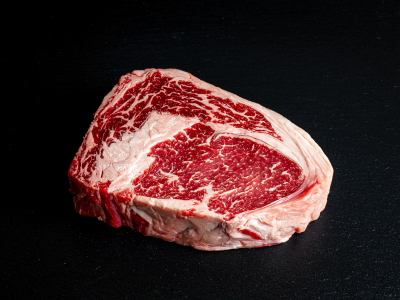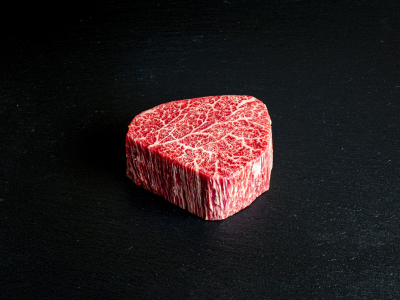

Dry-Aged Crossbred Wagyu: The Perfect Combination of Wagyu Marbling and 65-Day Dry Aging
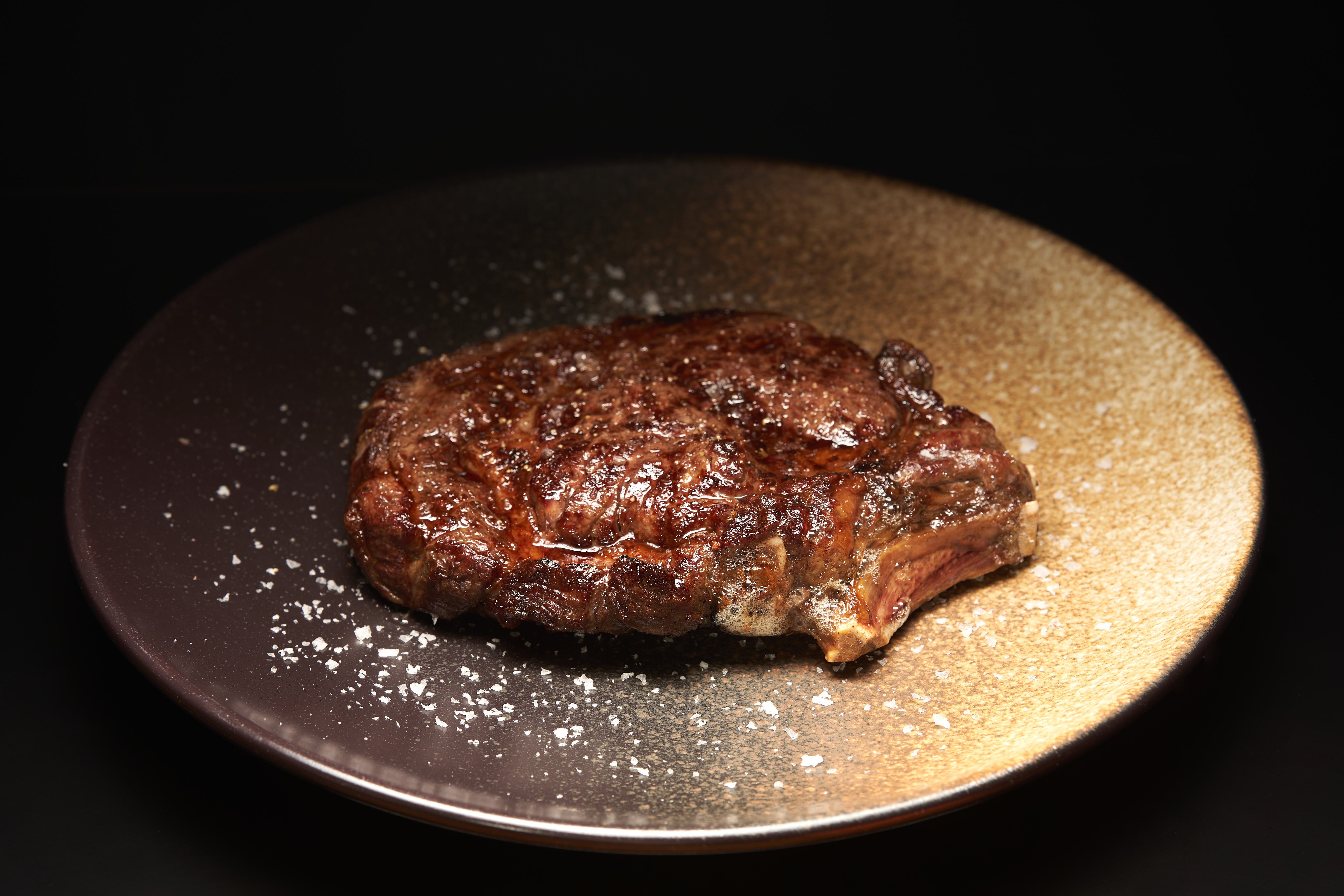
Dry-Aged Crossbred Wagyu: The Perfect Combination of Wagyu Marbling and 65-Day Dry Aging
Most steak lovers are familiar with two of the most prestigious categories of beef in the world: Wagyu and Dry Aged.
But what happens when these two worlds come together in a single steak?
This is how Dry-aged Crossbred Wagyu Ribeye and Dry-aged Crossbred Wagyu Striploin are created — two of the most unique and exclusive steaks available at Steaks Riga.
These exceptional cuts combine the renowned marbling of Wagyu genetics with the deep, concentrated flavor developed through 65 days of dry aging.
What Is Crossbred Wagyu?
Crossbred Wagyu is beef produced by crossing Japanese Wagyu cattle with premium beef breeds such as Black Angus.
This creates a unique balance between:
- the exceptional marbling of Wagyu;
- the rich beef flavor of traditional premium cattle;
- a firmer meat texture;
- an ideal balance between meat and fat.
Many professional chefs consider Crossbred Wagyu one of the most exciting types of beef available because it combines the best characteristics of both worlds.
Why Is Crossbred Wagyu Ideal for Dry Aging?
Traditional Wagyu is famous for its extreme marbling and tenderness.
However, successful dry aging requires the perfect balance between fat content, meat structure, and muscle fibers.
This is why Crossbred Wagyu is considered one of the best choices for dry aging.
During the 65-day aging process:
- flavors become more concentrated;
- aromas develop nutty and buttery notes;
- the meat becomes more tender;
- marbled fat develops additional layers of complexity.
The result is a steak that cannot be compared to either traditional Dry Aged beef or classic Wagyu alone.
What Happens During 65 Days of Dry Aging?
Dry aging is a natural transformation process that gradually enhances the beef.
Flavor Concentration
As moisture slowly evaporates, the natural beef flavor becomes deeper, richer, and more intense.
Aroma Development
Over time, complex flavor compounds develop, creating notes often described as:
- nutty;
- buttery;
- creamy;
- caramel-like;
- intensely beefy.
Increased Tenderness
Natural enzymes slowly break down muscle fibers, resulting in an exceptionally tender texture.
Why Does True Dry Aging Require Specialized Chambers?
Proper dry aging requires far more than simply storing meat in a refrigerator.
Before entering the aging chamber, every beef loin undergoes strict selection.
We evaluate:
- the origin of the beef;
- the age of the animal;
- the size of the cut;
- marbling levels;
- pH characteristics.
Only after passing all selection criteria is the beef placed into specialized aging chambers with carefully controlled temperature, humidity, and airflow.
Maintaining a stable microclimate requires a substantial volume of meat aging simultaneously.
Large quantities of beef help create and preserve the ideal environment necessary for natural fermentation and consistent aging.
This is one of the reasons why professional dry aging is performed in dedicated aging chambers rather than small display refrigerators.
Why Did We Choose 65 Days?
Over the years, we have tested different aging periods.
In our experience, 65 days provides the perfect balance of:
- flavor intensity;
- aroma complexity;
- tenderness;
- proper maturation.
At this point, Crossbred Wagyu reaches its full potential and develops the distinctive character that makes it so special.
Dry-aged Ribeye Crossbred Wagyu (65 Days)
Our Dry-aged Ribeye Crossbred Wagyu features a high degree of marbling and exceptional richness.
It is characterized by:
- outstanding juiciness;
- buttery texture;
- deep concentrated flavor;
- a long and memorable finish.
This steak is ideal for guests who appreciate rich marbling and powerful flavor.
Dry-aged Striploin Crossbred Wagyu (65 Days)
The Dry-aged Striploin Crossbred Wagyu offers a slightly firmer texture and a more pronounced beef character.
After 65 days of aging, it develops:
- remarkable depth of flavor;
- an excellent balance between meat and fat;
- rich beef notes;
- elegant nutty undertones.
Many guests consider it the perfect middle ground between traditional Dry Aged beef and authentic Wagyu.
Why Is Dry-Aged Crossbred Wagyu So Rare?
Producing these steaks requires several factors to come together perfectly:
- premium Wagyu genetics;
- the correct level of marbling;
- strict raw material selection;
- specialized dry-aging chambers;
- a lengthy 65-day aging cycle.
In addition, the meat loses a significant amount of weight during aging, making the final product even more exclusive.
Where to Try Dry-Aged Crossbred Wagyu in Riga?
Steaks Riga offers one of the most unique collections of Wagyu and Dry Aged steaks in Riga.
Guests can personally select their steak from the showcase and have it cooked to their preferred doneness or purchase it raw for home preparation.
📍 Elizabetes iela 10, Riga
📞 +371 254 777 44
📱 https://get.steaks.lv
The Unique Steaks Riga Concept
Steaks Riga combines a premium steakhouse and a meat boutique.
Every steak is displayed in the showcase, allowing guests to choose the exact cut they prefer based on size, appearance, and marbling.
You can:
- buy steaks raw for home cooking;
- select a steak from the showcase and enjoy it in the restaurant;
- order delivery through our mobile application.
Conclusion
Dry-aged Crossbred Wagyu represents the perfect combination of two premium beef traditions: the legendary marbling of Wagyu and the deep, concentrated flavor that can only be achieved through 65 days of dry aging.
Whether you choose the Dry-aged Ribeye Crossbred Wagyu or the Dry-aged Striploin Crossbred Wagyu, you will experience a level of flavor, tenderness, and complexity that few steaks in the world can match.
If you are looking for a truly unique steak experience in Riga, Steaks Riga invites you to discover the remarkable character of Dry-aged Crossbred Wagyu.